This Saturday, we’ll be shining a light on the work they do as well as welcoming our stars of yesteryear to the Etihad for the Cottagers clash.
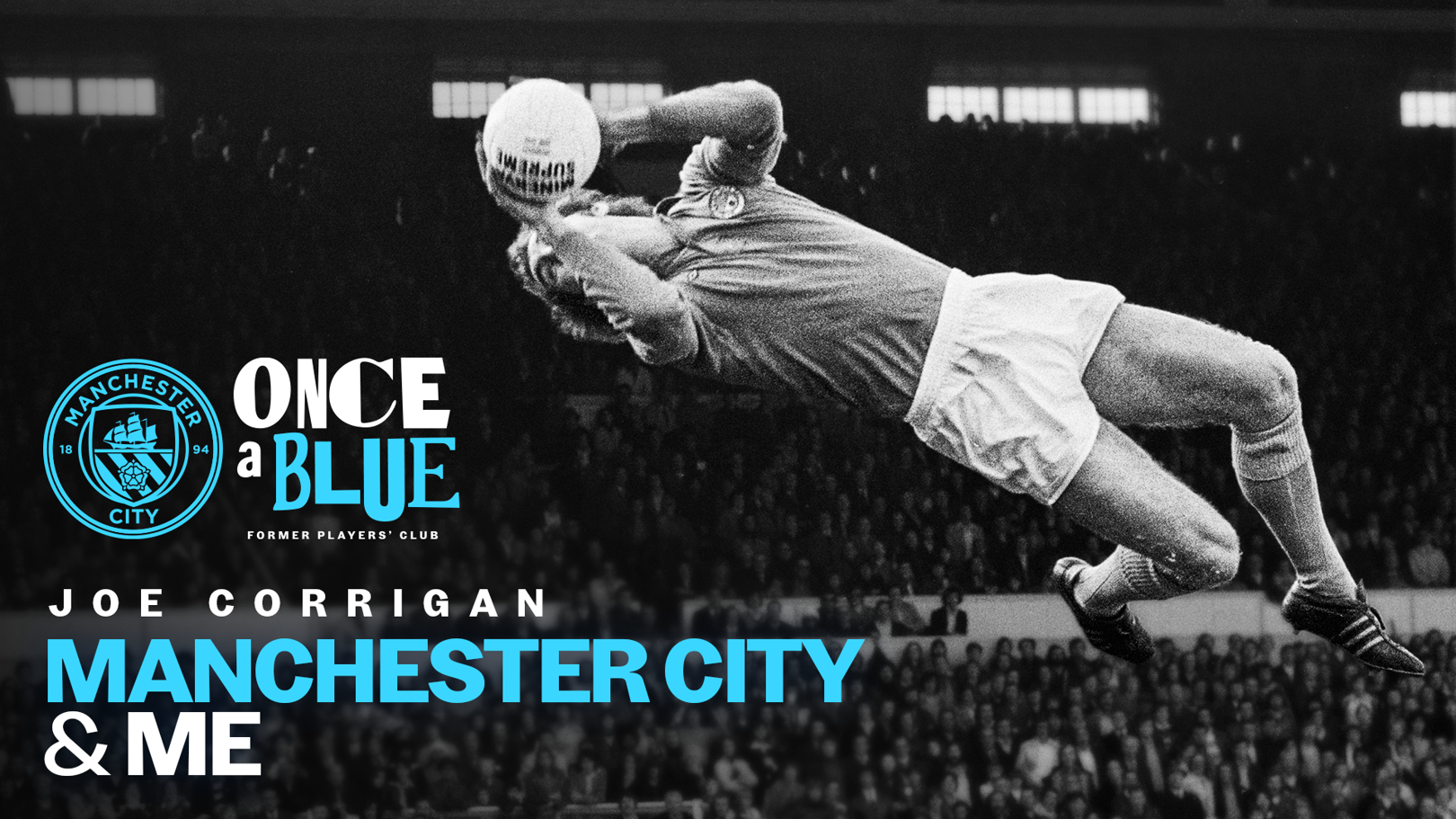
We’ll be publishing a host of content in the build-up to the game, starting today with a insightful Q&A with City legend, Joe Corrigan.
HOW DID A KID WHO GREW UP PLAYING RUGBY UNION BECOME A CITY LEGEND?
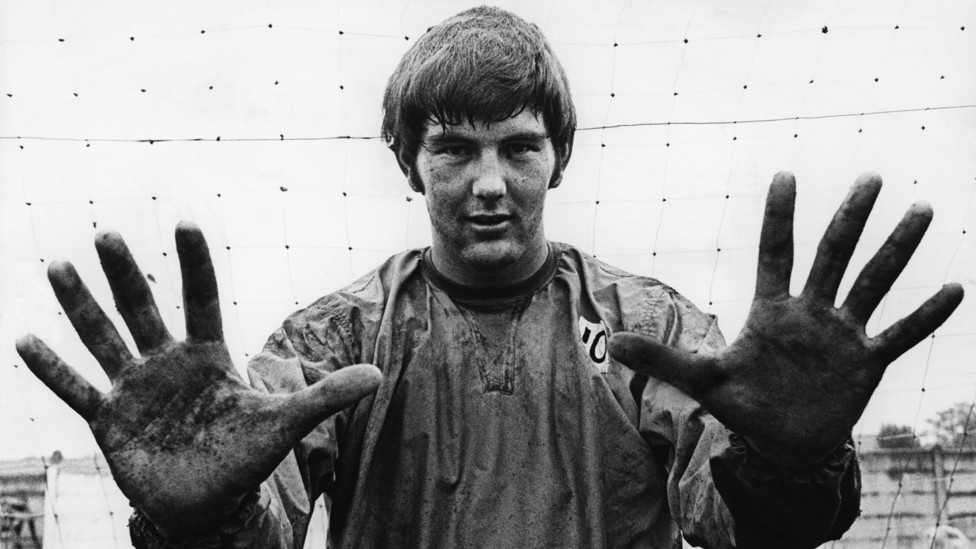
I played football when I attended St Joseph’s Primary School, but when I passed my 11-plus exam it meant going to Sale Grammar - and that was a rugby school. The only time we were allowed to kick a ball was at break times and lunch-time.
I played as a second-row forward for the school team and won county honours for Cheshire and looking back, playing a sport where the emphasis was on using my hands gave me a good grounding to become a goalkeeper, especially when I was involved in line-outs and you had to try to take the ball at its highest point.
But football was always my first love. My Uncle Tommy took me to Sale Amateurs and I was playing against grown men at the age of 14 in the Altrincham and District League, but in a strange twist of fate it was only when I left school and took an apprenticeship with the engineering firm AEI in Trafford Park that my life suddenly turned towards professional football.
A fella came up to me after I’d played in an inter-departmental game and asked I’d be interested in going for a trial at one of Manchester’s big clubs. I thought he was on a wind-up. I’m sorry to say that I don’t even remember the chap’s name because I thought he’d been put up to it as a joke. Then I got a letter off (City chief scout) Harry Godwin inviting me to a trial game!
It meant getting a bus into Manchester, another one to Maine Road, and a third out to Cheadle Town’s ground, but I’d have walked there if they’d told me to. I was signed initially as an amateur in 1966, but when it became clear that night-time training sessions clashed with my studies at evening school, my dad told me I had a decision to make. I chose football but because I was three months too old to be signed as an apprentice, I was given a pro contract. That was in January 1967 and the following October I made my senior debut against Blackpool in the League Cup. I had to get the bus to that game as well! There were plenty of ups and downs.
WHAT WAS IT LIKE FOR A YOUNGSTER GOING INTO A GREAT CITY TEAM?
It was a steep learning curve. Everybody knows about Colin Bell, Francis Lee and Mike Summerbee - and rightly so because they were world-class players. But City had a team packed with talent and later that season they were crowned league champions. Tony Book, Mike Doyle, George Heslop, Alan Oakes, Glyn Pardoe, Tony Coleman and Neil Young were all at the top of their game - and don’t forget that we had a magnificent manager in the boss (Joe Mercer) and a coaching genius in Malcolm Allison.
I played behind Tommy Booth during my trial game and we ended up becoming team-mates for the next 14 years. Later, players like Tony Towers, Ian Bowyer, Derek Jeffries and David Connor came through the youth team. We also had three very good goalkeepers ahead of me in Harry Dowd, Ken Mulhearn and Alan Ogley and I learned so much from them. Because I didn’t have a traditional football apprenticeship, I had to learn on the job, and they were brilliant with me.
I made my league debut against Ipswich in March 1969 and a few months later, I was Harry Dowd’s understudy for the FA Cup Final. Unfortunately, those were the days when teams could only name one substitute, so I went to Wembley only to watch us win another trophy. But the following season was a real breakthrough year for me.
TALK US THROUGH WINNING THE LEAGUE CUP AND EUROPEAN CUP WINNERS CUP IN 1970
It was the kind of thing I didn’t even dare to dream about. Having said that, before I’d even signed for City, I remember being on the bus near my home in Sale Moor when I spotted two United players, Tony Dunne and Pat Dunne sat a few seats away. Can you imagine two first-team players for Manchester United on the top deck of the 111 these days? Pat was an Irish international goalkeeper, and for a reason I still can’t explain, I said to him ‘I’m going to be a top keeper myself.’ Lord knows what he thought, but he smiled politely and I went on my way. A few years later, I was in the City team that beat United 4-0 at Maine Road in my first derby!
We also beat United in the League Cup semi-finals over two legs and when we came from behind to win against West Brom in the final at Wembley, I had my first winner’s medal. I was really nervous before the game and I think Malcolm (Allison) spotted it because when we arrived at the stadium, he told me to go straight down the tunnel on my own to have a look around. It was an amazing sight, even though the pitch was a muddy mess because the Horse of the Year show had been held there a few weeks earlier.
Malcolm was right. Having a walk around on my own, even though Wembley was virtually empty, really settled me down. That was Mal’s secret, for me, he really understood players. He once told the press that I was good enough to become the next Frank Swift! I didn’t believe that for a minute, but when someone like Malcolm Allison says that about you, it doesn’t half make you feel good.
Winning the European Cup Winners Cup in Vienna a couple of months later was the icing on the cake. Looking back, winning all three domestic trophies and a European competition in the space of three seasons makes that City team one of the very best there’s ever been. I’m not sure Joe Mercer and Malcolm Allison get enough credit outside Manchester for what they achieved.
EARLIER YOU MENTIONED UPS AND DOWNS
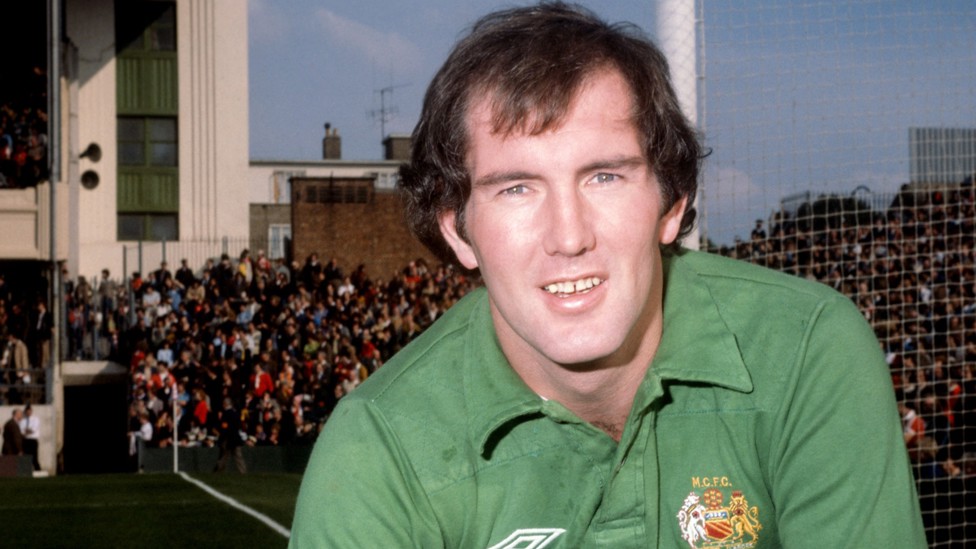
That’s the life of any footballer, but especially when you’re a goalkeeper. And when you’re a young goalkeeper, mistakes are an occupational hazard. It’s all about how you deal with those setbacks. You have to be aware that there’s always a bump in the road waiting to knock you off track.
The 1969/70 season is the perfect example of that. I was capped by England at Under-23 level as well that year, but I also made a massive mistake for City that still gets replayed on TV more than 50 years later. I might have got away with a few critical headlines in the next day’s newspapers in normal circumstances, but when we played West Ham at Maine Road in March 1970, the Match of the Day cameras were there because Jimmy Greaves was making his debut for them.
I kicked a clearance downfield after Tommy Booth had thrown it back to me and then made the cardinal sin of turning my back on the ball. I didn’t see Ronnie Boyce volley it straight back as I made my way back to the goal at the old Scoreboard End of the ground - but I did get a glimpse of the ball as it sailed into my net. We lost the game 5-1 and I’ve never been allowed to forget it. For a few years it seemed to be part of the ‘What Happened Next?’ round on ‘A Question of Sport’ every other week!
But after the game came a moment that has also stayed with me ever since. I was getting a rollocking in the dressing room when I was asked to go up to the boardroom. Players weren’t usually allowed in there, but Bert Trautmann had watched the game as a guest of the Club and he wanted to give me a piece of advice that I came to fall back on during all the tough periods of my career. Bert told me that every goalkeeper made mistakes but it was how they reacted to them that made the difference. He explained some of the low points he’d faced and said that putting mistakes behind you immediately made it easier to deal with the next one.
Bert was one of my boyhood heroes, along with United keeper Harry Gregg. He kept in touch with me constantly from that day and I owe him a debt of gratitude I can never repay. But what I did do, when I later became a goalkeeping coach myself, was pass the knowledge I picked up from people like Bert.
I had a wonderful career at City, but there were some difficult times and I like to think the fans appreciated the fact that I never threw the towel in. There was a time, after the Club had just paid £100,000 to sign Keith Macrae in 1973, that I thought my future might lie elsewhere because that was a record fee for a keeper. But I stuck at it and came through the other side.”
IS IT TRUE THAT A BROKEN JAW PLAYED A PART IN YOUR RENAISSANCE AT MAINE ROAD?
It’s absolutely true - although I wouldn’t recommend it! I broke my jaw in a training game during the 1973-74 season and I had to have my jaw wired for about three weeks. The upside - if there was one - was that I could only eat fluids and I ended up losing almost two stones in weight. I felt leaner than I had been for years and I then worked like crazy on my fitness. I made sure that if I got another chance, I would grab it with both hands - pun intended!
Tony Book being appointed manager was another turning point. After I’d won my place back in the team, I only missed one league game in five seasons, playing in another successful City side. Twelve months after thinking I was on my way out of the Club, I was in the team that beat Newcastle to win the 1976 League Cup. Talk about a change in fortune.
‘Skip’ built a formidable team. Me, Mike Doyle and Tommy Booth were still there, and so was Willie Donachie. Dennis Tueart, Dave Watson, Asa Hartford and Joe Royle had been signed two or three years earlier, and then Brian Kidd came in. With youngsters like Peter Barnes, Gary Owen, Paul Power, Kenny Clements and Ged Keegan coming through we had a side to be reckoned with.
If Colin Bell hadn’t suffered a terrible knee injury I truly believe we would have won the title in 1977. Liverpool pipped us by a point, but you can’t tell me that having a fully fit Belly wouldn’t have got us over the line.
DO YOU RATE YOUR DISPLAY AGAINST SPURS IN THE 1981 FA CUP FINAL AS YOUR GREATEST CITY PERFORMANCE?
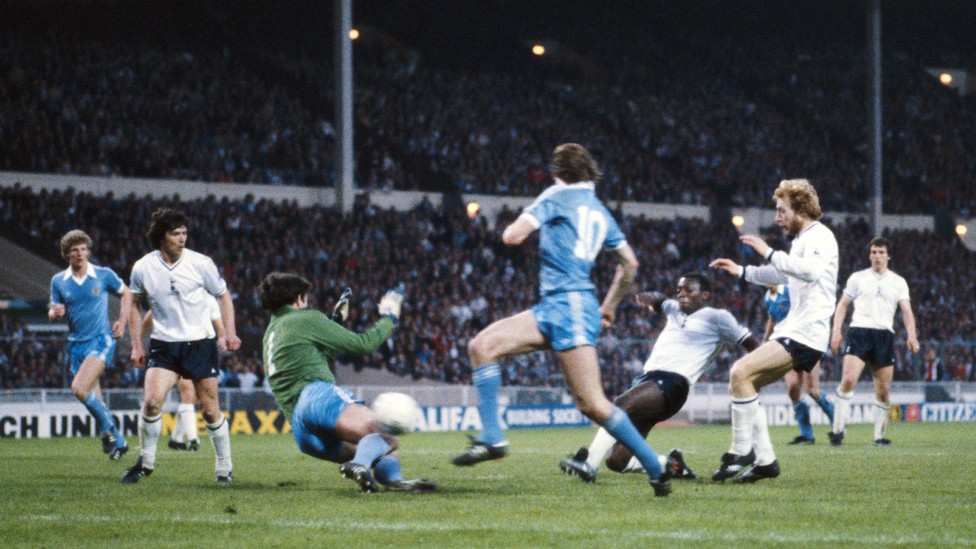
I suppose I have to - even though the game still rankles with me. I was voted man-of-the-match by a newspaper in the first game and then won the BBC award in the replay.
We were the better team on the Saturday. I wouldn’t say I felt unbeatable that day, but I did think it would take a fantastic strike or a fluke to get past me. In the end it was a fluke, when Glenn Hoddle’s free-kick took a deflection off Tommy Hutchinson and sent me the wrong way. I think I would have saved it quite easily if Tommy had stayed where he was in the wall.
John Bond (City’s manager) had wanted to station a man on the post because Hoddle was so accurate from set-pieces, but I told him having someone there would cause more harm than good. When Tommy heard Glenn tell a team-mate which way he was going with the free-kick, he moved around the back of the wall to block the shot. I had no chance with the deflection.
Tommy was distraught. I had to pick him up off the turf and pat him on the back. What else could I have done? We were disappointed with the 1-1 draw and the replay was a game too far for us. Gerry Gow, who had Hoddle, (Osvaldo) Ardiles and (Ricky) Villa under control in the first match, had injury problems and just couldn’t raise himself physically for the replay.
My annoyance isn’t about Hoddle’s goal or Spurs winning the replay. But I think the game should have been decided on the Saturday one way or the other. It should have gone to penalties. I was hardly an expert at saving them, but given the form I was in that day, I would have backed us to win a shoot-out. It still hurts that one.
SHOULD YOU HAVE WON MORE ENGLAND CAPS?
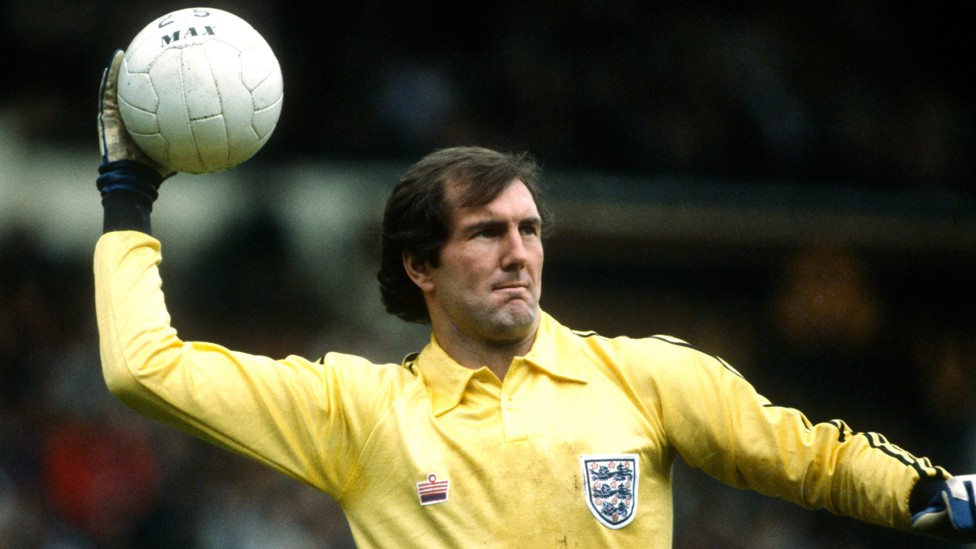
No. It’s a question I’ve been asked a few times down the years and I always say the same thing. I’m a proud Englishman and I cherish every one of the nine caps I won for my country. It’s the pinnacle of any footballer’s career.
But I played in the era of Peter Shilton and Ray Clemence. When I first started out, Gordon Banks was England’s No 1. They aren’t just three of England’s greatest-ever goalkeepers, they are three of the best goalkeepers to ever play the game.
So I’ve always been philosophical about my international career. Jimmy Rimmer and Phil Parkes were two more contemporaries who might argue they were around at the wrong time because they only won one England cap each.
CAN YOU DESCRIBE YOUR PRIDE IN BEING AWARDED AN MBE IN THE KING’S 2025 NEW YEAR’S HONOURS LIST?
When an envelope dropped through our post box with the Royal Coat of Arms embossed on the front, my first thought was that I’d been landed with a tax bill! When I read the letter inside I just burst into tears. I couldn’t believe it, a lad from a council estate in Sale awarded an MBE. Even now, I can get choked up thinking about it.
I was honoured for my charity work rather than my football career, but for me the two always went hand-in-hand. When I was a kid, I had osteomyelitis in one of my knees and there was a danger that I might lose my leg, so I have always felt a debt of gratitude to doctors, nurses and anyone who dedicates themselves to looking after other people.
As a player, we were always encouraged by the club to go on hospital visits or help with charity events, but for me it was never a chore. I do those things because I want to do them.
The day of my investiture at Windsor Castle was perfect. I was more nervous than I’d ever been when I was called forward to meet Prince William, but as soon as he said he’d been told I was once a very good goalkeeper for Manchester City, that put me totally at ease. He’s a football man himself, of course.
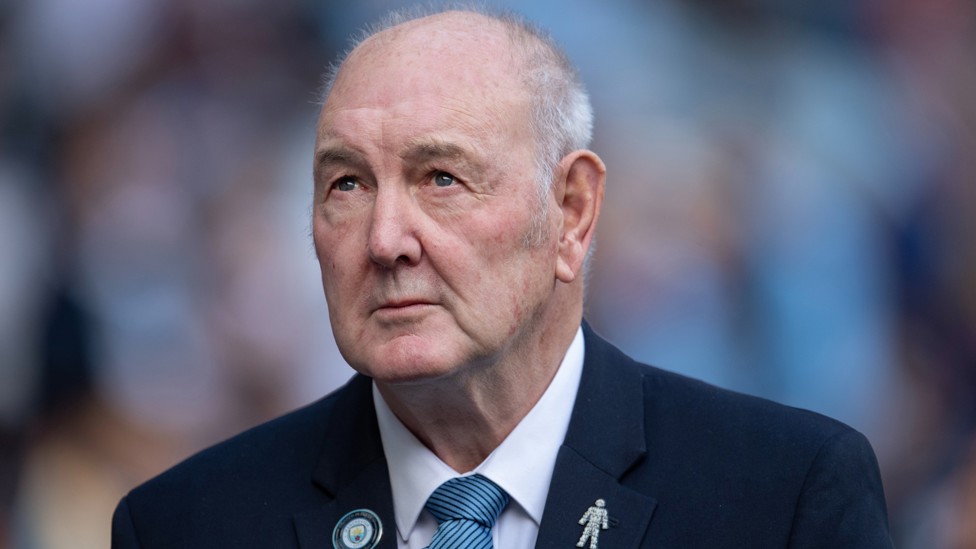
HOW IMPORANT IS THE ‘ONCE A BLUE’ FORMER PLAYERS ASSOCIATION?
As a Club, Manchester City have been transformed beyond all recognition since 2008, but the one thing that’s always been a constant since I first walked through the door at Maine Road 60 years ago is the unbreakable bond that anyone who has pulled on our famous shirt will always share.
Being a professional footballer is the best job in the world, but just because someone has been able to live that dream it doesn’t automatically mean they are going to be financially secure for life, live in a luxury home or drive a big car.
Everyone has a different story. They might have financial problems because of injury or bad advice, issues with their health or mental illness. What everyone who has played for Manchester City needs to know is that they have old friends at the Club who are there to help them and their families. That’s at the heart of what we do, but it’s a social thing as well, knowing that you’ve got friends you can meet up with.
Those of us who are still around are grateful to players from the past like Steve Fleet, Roy Clarke, Alan Ogley and Fred Ayre. I succeeded Francis Lee as chairman and in 2024, the association was rebranded ‘Once A Blue.’ Since then the likes of Paul Lake, Ian Brightwell, Peter Barnes, David White, Richard Edghill and others have carried the baton. The support on offer to former players and the charity work that’s been undertaken has got better and better.
I’ve been succeeded as chairman of ‘Once A Blue’ by Ian Brightwell and I’m now a Life Vice-president. Look, I won’t be around forever - none of us will - but I do know the future is in very good hands. The support and assistance we get off the Club is exceptional and our ambition is to give the best support for any former player who needs it.